Discover the perfect blend of ancient culture, natural beauty, and modern charm in coastal Ningbo
Explore the best places to visit in Ningbo, from ancient landmarks to natural wonders
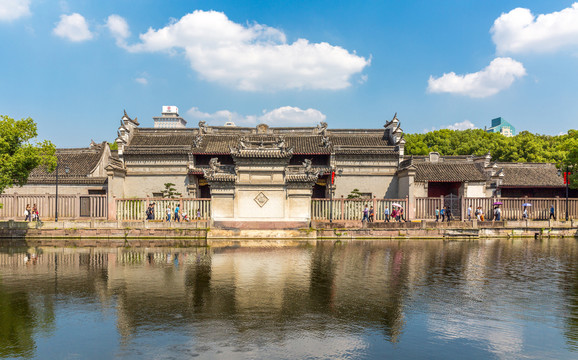
China's oldest private library with over 300,000 ancient books
Over 460 years of history
300,000+ ancient books and rare manuscripts
8:30-17:00, closed Mondays
Scenic mountains with historical sites and Buddhist temples
Chiang Kai-shek's childhood home
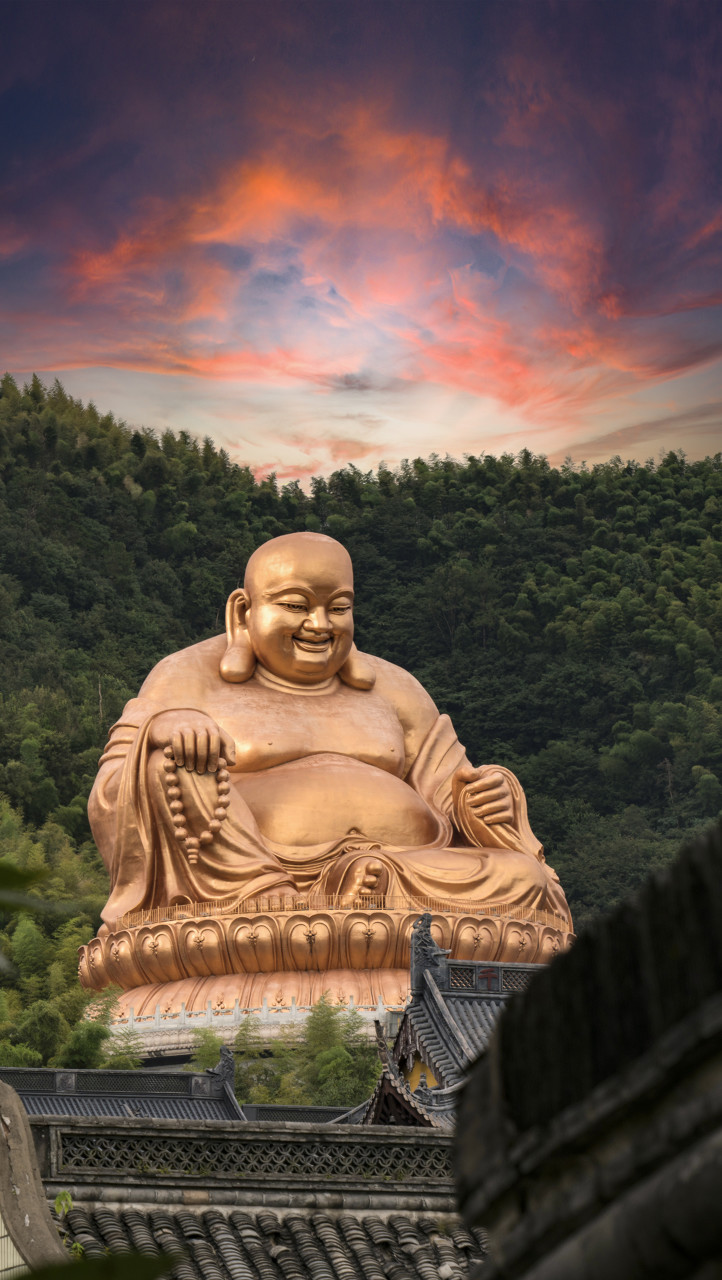
Famous Buddhist temple with giant Buddha statue
Thousand Zhang Waterfall (390m drop)
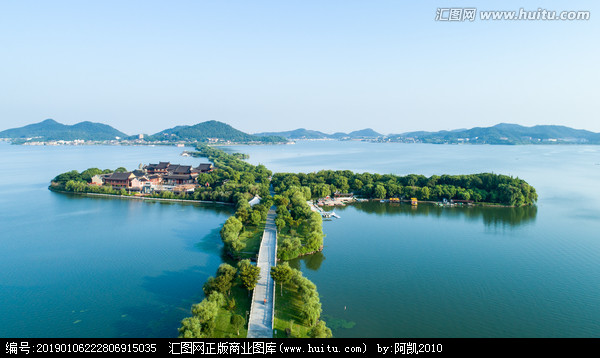
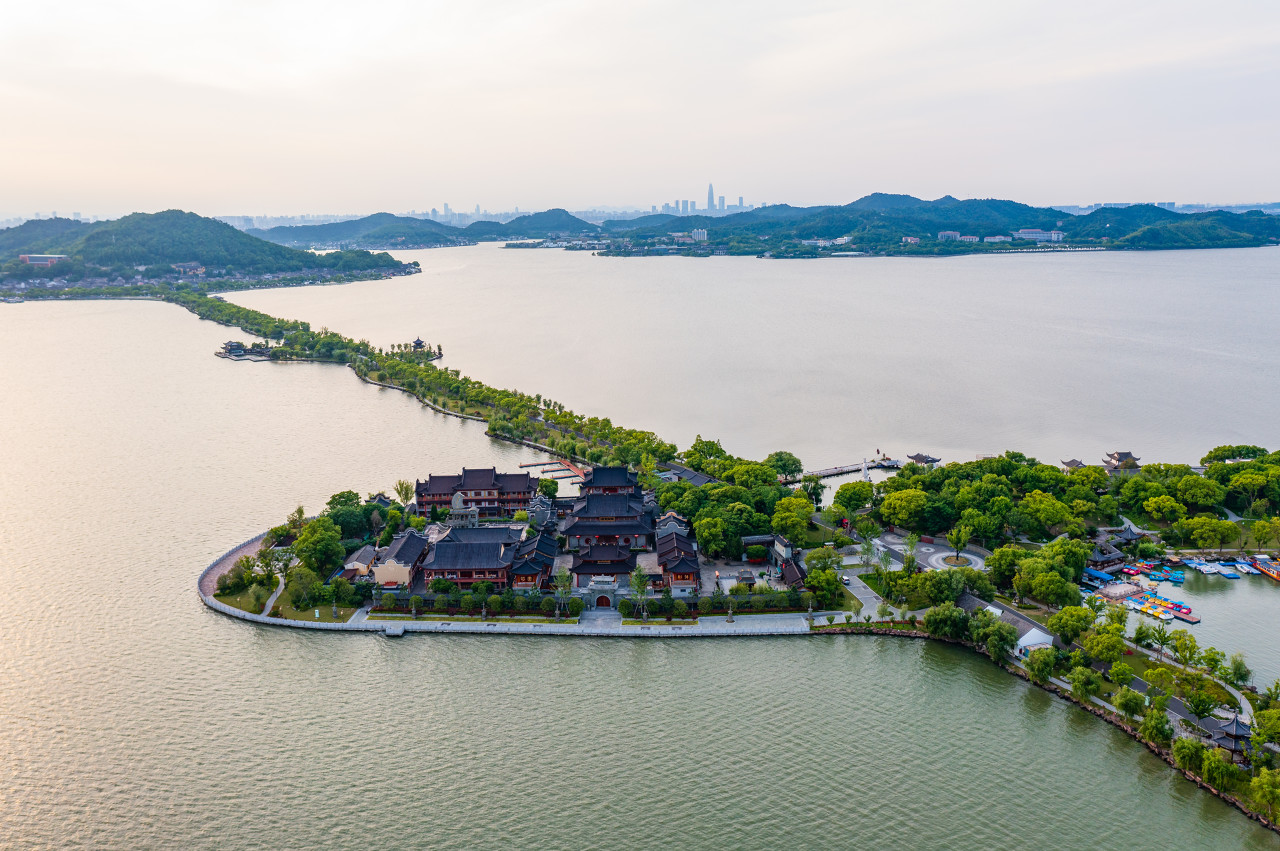
Zhejiang's largest freshwater lake with scenic beauty
22km², 45km cycling paths around the lake
Small Putuo Island, Taogong Island, Hanling Old Street
Cycling, boating, hiking, temple visits
Explore the rich cultural heritage and natural beauty of this coastal gem
Ningbo, located in Zhejiang Province, is a major port city with a history dating back over 7,000 years. Known as the "City of Books and the Sea," it combines rich cultural heritage with modern maritime importance. The city is famous for being the birthplace of the prestigious "Ningbo Gang" merchants and home to China's oldest private library.
China's oldest private library built in 1561, housing over 300,000 ancient books and rare manuscripts. The surrounding Yuehu Lake features beautiful gardens and historical sites.
Famous for its scenic beauty and historical significance, featuring the former residence of Chiang Kai-shek, the grand Xuedou Temple, and the impressive Thousand Zhang Waterfall.
Zhejiang's largest freshwater lake with 45km of cycling paths, featuring Small Putuo Island, Taogong Island, and Hanling Old Street with traditional craft workshops.
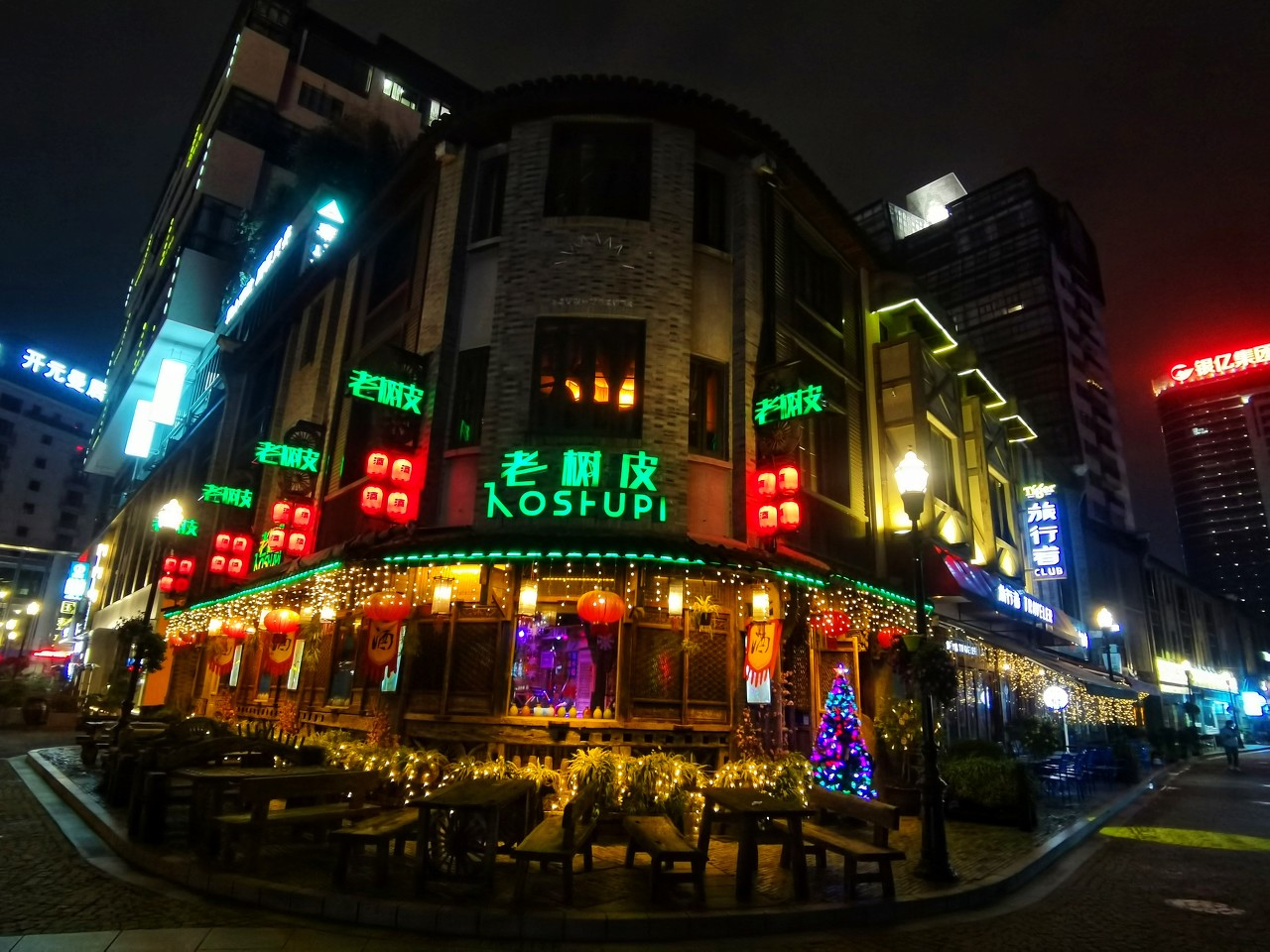
China's oldest bund area with 19th-century European architecture, featuring bars, restaurants, galleries, and the Gothic-style St. Mary's Cathedral.
One of China's largest film studios where hits like "Nirvana in Fire" were filmed. Features 12 immersive experiences and regular costume performances.
One of China's most beautiful island groups with 360° ocean views, century-old lighthouses, and bioluminescent "blue tears" phenomenon from April to June.
Practical tips for navigating daily life in China with ease
Cash is rarely used in China. Mobile payments (WeChat Pay/Alipay) dominate daily transactions.
Access to Google, Facebook, Instagram, WhatsApp requires a reliable VPN. Purchase and install before arrival.
Language barrier is significant outside major tourist areas. English is limited.
Important numbers to keep handy during your trip
120
110
119
12301
Contact your country's embassy or consulate in case of emergency:
Emergency Phone: +86 (10) 8531-3000
Basic phrases to help you communicate during your trip
你好
Nǐ hǎo
Hello
再见
Zài jiàn
Goodbye
谢谢
Xiè xie
Thank you
对不起
Duì bu qǐ
Sorry
请问
Qǐng wèn
Excuse me
这个多少钱?
Zhè ge duō shǎo qián?
How much is this?
我想要...
Wǒ xiǎng yào...
I would like...
洗手间在哪里?
Xǐ shǒu jiān zài nǎ lǐ?
Where is the bathroom?
一
Yī
One
二
Èr
Two
三
Sān
Three
四
Sì
Four
五
Wǔ
Five
菜单
Cài dān
Menu
请给我菜单
Qǐng gěi wǒ cài dān
May I have a menu?
水
Shuǐ
Water
买单
Mǎi dān
Check the bill